
Digital Marketing
Digital marketing is how businesses connect with customers online through websites, social media, search engines, and email. This guide is designed for small business owners, marketing professionals, and entrepreneurs who want to grow their online presence and drive real results.
You’ll discover the core digital marketing fundamentals that every successful campaign needs. We’ll walk through the essential digital marketing channels like social media marketing, content marketing, SEO marketing, email marketing, and PPC advertising so you can pick the right mix for your business. Finally, you’ll learn how to build a digital marketing strategy that actually works, plus get practical tips for measuring and optimizing campaign performance using marketing analytics.
By the end, you’ll have a clear roadmap for creating effective marketing campaigns that reach your target audience and boost your bottom line.
Understanding Digital Marketing Fundamentals

Define digital marketing and its core components
Digital marketing encompasses all promotional activities conducted through electronic devices and online channels to connect with current and prospective customers. Unlike traditional advertising methods, digital marketing leverages internet technologies, mobile platforms, and data analytics to create targeted, measurable campaigns that drive business growth.
The core components of digital marketing include several interconnected elements. Content marketing forms the foundation by creating valuable, relevant material that attracts and engages audiences. Search engine optimization (SEO marketing) ensures your content becomes discoverable when people search for related topics. Social media marketing builds communities and fosters direct customer relationships across platforms like Facebook, Instagram, and LinkedIn.
Email marketing maintains ongoing communication with prospects and customers through personalized messaging campaigns. Pay-per-click (PPC advertising) delivers immediate visibility through paid search and display advertisements. Marketing automation streamlines repetitive tasks while nurturing leads through personalized customer journeys.
Digital advertising extends beyond search engines to include banner ads, video advertisements, and sponsored content across various websites and applications. Analytics and data measurement tools provide insights into campaign performance, customer behavior, and return on investment.
Explore the difference between traditional and digital marketing
Traditional marketing relies on offline channels like television, radio, newspapers, billboards, and direct mail to reach broad audiences. These methods typically involve one-way communication where businesses broadcast messages without immediate feedback or interaction opportunities.
| Traditional Marketing | Digital Marketing |
|---|---|
| Limited targeting capabilities | Precise audience targeting |
| Difficult to measure ROI | Real-time analytics and tracking |
| Higher costs for broad reach | Cost-effective with scalable budgets |
| One-way communication | Two-way interaction and engagement |
| Longer campaign setup times | Quick deployment and optimization |
Digital marketing offers several distinct advantages over traditional approaches. Targeting precision allows marketers to reach specific demographics, interests, and behaviors rather than casting wide nets. Real-time data provides immediate insights into campaign performance, enabling quick adjustments and optimizations.
Cost efficiency makes digital marketing accessible to businesses of all sizes. Small startups can compete with larger corporations by targeting niche audiences effectively. Interactive capabilities foster genuine relationships between brands and customers through comments, shares, and direct messaging.
The measurable nature of online marketing ensures every dollar spent can be tracked and attributed to specific outcomes. This accountability helps businesses make data-driven decisions and continuously improve their marketing strategies.
Identify key digital channels and platforms
Digital marketing channels span various platforms, each serving unique purposes in comprehensive marketing strategies. Search engines like Google and Bing represent primary discovery channels where potential customers actively seek solutions to their problems.
Social media platforms offer diverse opportunities for engagement and brand building. Facebook provides extensive targeting options for both organic content and paid advertising. Instagram excels at visual storytelling and influencer partnerships. LinkedIn serves professional networking and B2B marketing needs. Twitter facilitates real-time conversations and customer service interactions.
Email marketing platforms enable direct communication with subscribers who have expressed interest in your brand. Video platforms like YouTube and TikTok capture attention through engaging visual content that can go viral and reach massive audiences quickly.
E-commerce platforms such as Amazon and Shopify create opportunities for direct sales and marketplace visibility. Display advertising networks place banner ads across millions of websites, extending brand reach beyond owned properties.
Mobile applications and push notifications create direct connections with users who have downloaded and installed your app. Podcast advertising targets engaged audiences during their commute or workout routines.
Understand target audience behavior in digital spaces
Digital audience behavior differs significantly from traditional media consumption patterns. Online users actively control their experience, choosing what content to consume, when to engage, and how to interact with brands.
Attention spans in digital environments are shorter, requiring marketers to capture interest quickly through compelling headlines, eye-catching visuals, and immediate value propositions. Users scan content rapidly, focusing on key points and actionable information rather than lengthy descriptions.
Multi-device usage characterizes modern consumer behavior. People start research on smartphones, continue on laptops, and complete purchases on tablets. This journey requires consistent messaging and seamless experiences across all touchpoints.
Social proof plays a crucial role in digital decision-making. Reviews, ratings, testimonials, and user-generated content heavily influence purchasing decisions. People trust recommendations from peers more than traditional advertising messages.
Privacy concerns and ad fatigue affect how audiences respond to marketing messages. Users increasingly employ ad blockers, skip promotional content, and value brands that respect their privacy preferences. Successful digital marketing strategies focus on providing value rather than interrupting experiences.
Interactive expectations run high in digital spaces. Audiences expect immediate responses to questions, personalized recommendations, and opportunities to engage with brands authentically. This demand for interaction creates opportunities for deeper relationships but requires consistent attention and resources to maintain effectively.
Essential Digital Marketing Channels
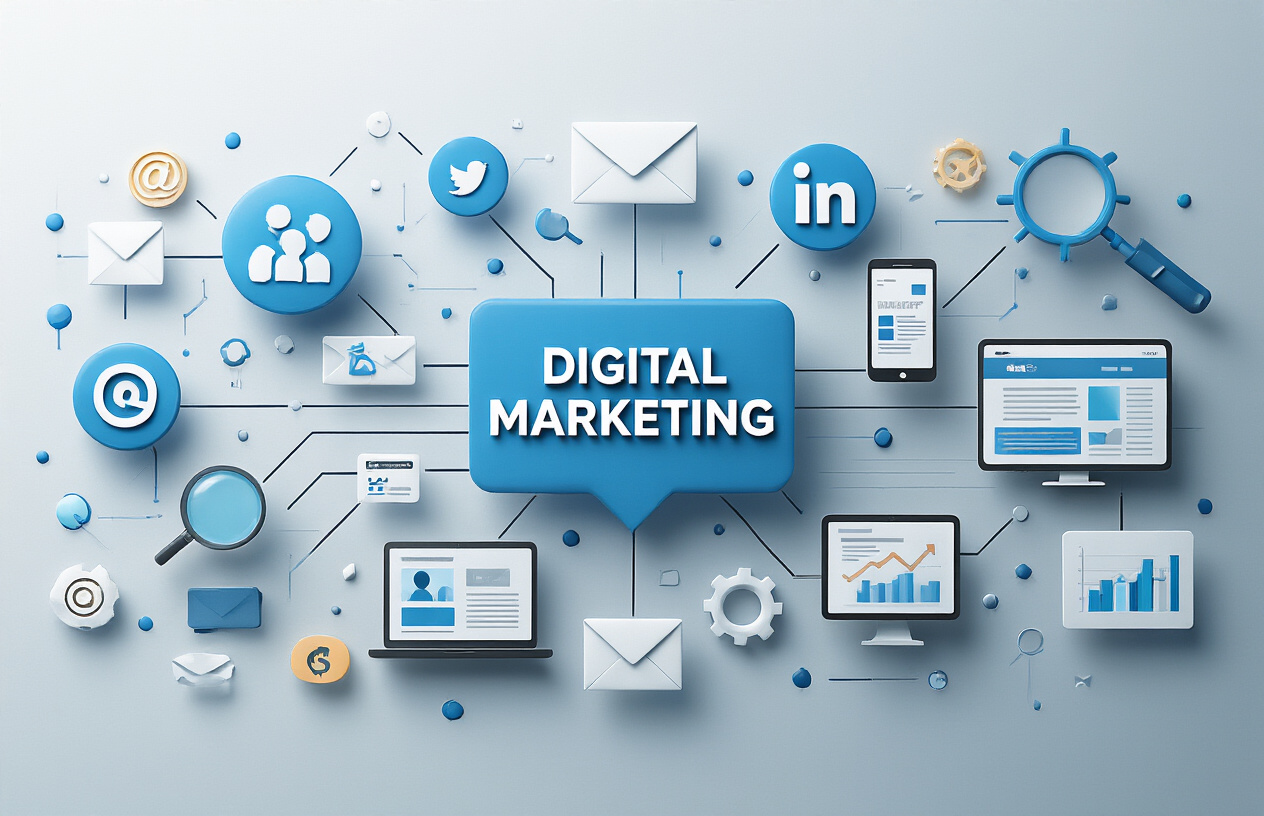
Master search engine optimization for organic visibility
Search engine optimization forms the backbone of any successful digital marketing strategy, driving sustainable organic traffic without the ongoing costs of paid advertising. SEO marketing focuses on optimizing your website and content to rank higher in search engine results pages, making your business more discoverable to potential customers actively searching for your products or services.
Start with comprehensive keyword research to identify the terms your target audience uses when searching for solutions you provide. Tools like Google Keyword Planner, SEMrush, or Ahrefs help uncover high-value keywords with reasonable competition levels. Focus on a mix of short-tail and long-tail keywords, with long-tail phrases often converting better due to their specific intent.
On-page optimization ensures search engines understand your content’s relevance and value. Craft compelling title tags and meta descriptions that include your primary keywords while encouraging clicks. Structure your content with proper heading tags (H1, H2, H3) and incorporate keywords naturally throughout your text. Internal linking connects related pages and helps search engines crawl your site more effectively.
Technical SEO addresses the behind-the-scenes elements that impact rankings. Page speed, mobile responsiveness, and secure HTTPS connections directly influence search engine rankings and user experience. Create XML sitemaps and optimize your site’s architecture for easy navigation.
Off-page SEO builds authority through quality backlinks from reputable websites. Guest posting, digital PR, and creating linkable assets like original research or comprehensive guides attract natural backlinks that boost your domain authority.
Leverage pay-per-click advertising for instant results
PPC advertising offers immediate visibility and traffic generation, making it an essential component of digital marketing channels for businesses seeking quick results. Unlike organic SEO efforts that take time to build momentum, pay-per-click campaigns can drive qualified traffic within hours of launch.
Google Ads dominates the PPC landscape, allowing you to display ads when users search for specific keywords related to your business. Create targeted ad groups with tightly themed keywords and write compelling ad copy that highlights your unique value proposition. Use ad extensions like sitelinks, callouts, and structured snippets to increase ad real estate and improve click-through rates.
Bing Ads provides an often-overlooked opportunity to reach users on Microsoft’s search network, typically with lower competition and costs than Google. The platform shares many features with Google Ads but often delivers better results for B2B companies and specific demographics.
Social media advertising on platforms like Facebook, Instagram, LinkedIn, and Twitter allows precise audience targeting based on demographics, interests, behaviors, and custom audiences. These platforms excel at reaching users who might not be actively searching for your products but fit your ideal customer profile.
Remarketing campaigns target users who previously visited your website but didn’t convert, keeping your brand top-of-mind and encouraging return visits. These campaigns typically achieve higher conversion rates and lower costs since they target warm prospects already familiar with your brand.
Successful PPC management requires continuous monitoring and optimization. Track key metrics like click-through rates, conversion rates, and cost per acquisition. Regular A/B testing of ad copy, landing pages, and bidding strategies helps improve performance over time.
Build brand presence through social media marketing
Social media marketing creates direct connections between your brand and customers, fostering community engagement and building lasting relationships. Each platform serves different purposes and audiences, requiring tailored approaches for maximum effectiveness.
Facebook remains the largest social network, ideal for building brand awareness and community engagement. Create a business page that showcases your brand personality through regular posts, stories, and live videos. Facebook Groups offer opportunities to build communities around shared interests related to your industry, positioning your brand as a helpful resource rather than just another advertiser.
Instagram’s visual-first approach works perfectly for brands with strong visual elements. High-quality photos, behind-the-scenes content, and Instagram Stories create authentic connections with followers. Instagram Shopping features allow direct product sales through the platform, streamlining the customer journey from discovery to purchase.
LinkedIn serves as the professional networking hub, making it invaluable for B2B companies and thought leadership. Share industry insights, company updates, and professional content that demonstrates expertise. LinkedIn’s publishing platform helps establish authority in your field while building professional connections.
Twitter excels at real-time engagement and customer service. Monitor mentions of your brand and industry keywords to join relevant conversations and address customer concerns promptly. Twitter’s fast-paced nature requires consistent activity and quick responses to maintain relevance.
TikTok’s explosive growth, particularly among younger demographics, creates opportunities for creative, entertaining content that showcases brand personality. Short-form videos that educate, entertain, or inspire can go viral and dramatically increase brand awareness.
Content planning and consistency drive social media success. Develop a content calendar that balances promotional posts with valuable, entertaining, or educational content. User-generated content and customer testimonials build trust and provide authentic social proof.
Create compelling content that drives engagement
Content marketing serves as the fuel for all other digital marketing channels, providing value that attracts, engages, and converts your target audience. Quality content establishes your brand as an industry authority while supporting SEO efforts and social media engagement.
Blog posts remain the foundation of most content marketing strategies. Create in-depth articles that answer common customer questions, address pain points, and provide actionable solutions. Long-form content typically performs better in search results and positions your brand as a comprehensive resource. Mix evergreen content that remains relevant over time with timely pieces that capitalize on current trends or news.
Video content dominates engagement metrics across platforms. Create educational tutorials, product demonstrations, behind-the-scenes glimpses, and customer testimonials. Video content doesn’t require Hollywood production values – authenticity often resonates more than polish. Live streaming on platforms like Facebook, Instagram, or YouTube creates real-time connections with your audience.
Email marketing delivers exceptional ROI when done correctly. Build subscriber lists through valuable lead magnets like ebooks, checklists, or exclusive content. Segment your email list based on customer behavior, preferences, and purchase history to deliver personalized content that drives engagement and conversions.
Infographics and visual content simplify complex information while increasing shareability on social media. Data visualizations, process diagrams, and comparison charts help audiences quickly understand key concepts while boosting your content’s viral potential.
Podcasting reaches audiences during commutes, workouts, and other activities when visual content isn’t practical. Interview industry experts, share insights, and build relationships with other podcast hosts for cross-promotional opportunities.
Interactive content like quizzes, polls, calculators, and assessments increases engagement while providing valuable data about your audience preferences and needs. This content type often generates higher conversion rates than static content.
Repurpose content across multiple formats to maximize your investment. Transform blog posts into videos, create infographics from data-heavy articles, and break long-form content into social media post series. This approach extends content lifespan while reaching audiences who prefer different content formats.
Building Your Digital Marketing Strategy

Set Measurable Goals and Key Performance Indicators
Creating a successful digital marketing strategy starts with defining clear, specific goals that align with your business objectives. Rather than vague aspirations like “increase brand awareness,” you need concrete targets such as “boost website traffic by 30% within six months” or “generate 100 qualified leads per month through content marketing.”
Your goals should follow the SMART framework: Specific, Measurable, Achievable, Relevant, and Time-bound. This approach helps you track progress and adjust your digital marketing strategy when needed. For instance, if you’re launching a new product, your goal might be “achieve 500 pre-orders through social media marketing and email marketing campaigns within 60 days.”
Key performance indicators (KPIs) serve as your digital marketing compass, showing whether you’re heading in the right direction. Common KPIs include conversion rates, cost per acquisition, return on ad spend, email open rates, and organic search rankings. Choose KPIs that directly connect to your business goals – if your objective is revenue growth, focus on metrics like customer lifetime value and sales attribution rather than vanity metrics like social media followers.
Research and Analyze Your Target Market Demographics
Understanding your audience forms the foundation of effective digital marketing. Start by analyzing your existing customer data to identify patterns in age, location, income, interests, and online behavior. This information reveals where your audience spends time online and what type of content resonates with them.
Digital marketing analytics tools like Google Analytics, Facebook Insights, and customer surveys provide valuable demographic insights. Look beyond basic demographics to understand psychographics – your audience’s values, motivations, and pain points. A fitness brand might discover their audience isn’t just “women aged 25-40” but specifically “busy working mothers who prioritize quick, effective workouts.”
Create detailed buyer personas representing your ideal customers. These fictional profiles should include demographic information, online habits, preferred communication channels, and challenges your product or service solves. Having three to five well-defined personas helps you tailor your digital marketing campaigns to speak directly to each segment’s needs and preferences.
Choose the Right Digital Channels for Your Business
Not every digital marketing channel works for every business. Your target audience research guides channel selection – if your customers are professionals, LinkedIn might be more effective than TikTok. Consider where your audience actively engages rather than trying to maintain a presence everywhere.
Different channels serve different purposes in your marketing funnel. SEO marketing and content marketing build long-term organic visibility, while PPC advertising delivers immediate results. Social media marketing creates community and brand loyalty, whereas email marketing nurtures existing relationships and drives repeat purchases.
Evaluate each channel based on your resources, goals, and audience preferences. A B2B software company might focus on content marketing, LinkedIn advertising, and email campaigns, while a local restaurant could prioritize Google My Business, Instagram, and local SEO. Start with two or three channels and expand once you’ve mastered those.
Develop a Content Calendar and Posting Schedule
Consistent content delivery keeps your audience engaged and improves your digital marketing performance. A content calendar helps you plan themes, campaigns, and individual posts across all your chosen channels. This planning prevents last-minute content creation and ensures your messaging aligns with business objectives and seasonal trends.
Map out major campaigns, product launches, and industry events first, then fill in regular content around these tentpole moments. Include a mix of content types – educational posts, behind-the-scenes content, user-generated content, and promotional materials. The 80/20 rule works well: 80% valuable, non-promotional content and 20% direct promotion.
Different platforms require different posting frequencies. While Twitter might need multiple daily posts, LinkedIn performs better with two to three weekly updates. Research optimal posting times for each platform and your specific audience. Tools like Buffer, Hootsuite, or native platform schedulers help maintain consistency without requiring constant manual posting.
Establish Budget Allocation Across Marketing Channels
Smart budget allocation maximizes your digital marketing ROI by investing more heavily in channels that deliver results while testing new opportunities. Start by analyzing the cost and potential return of each channel. PPC advertising provides immediate feedback on cost per click and conversion rates, while content marketing requires longer-term investment with compound returns.
Use the 70-20-10 rule as a starting framework: allocate 70% of your budget to proven channels that consistently deliver results, 20% to scaling successful experiments, and 10% to testing entirely new approaches. This balance maintains steady performance while allowing room for growth and innovation.
Monitor your marketing campaign optimization regularly and shift budgets based on performance data. If your email marketing campaigns consistently outperform social media advertising, gradually reallocate funds to maximize results. Keep detailed records of spending and returns to make informed decisions about future budget distribution and identify the most cost-effective channels for your business goals.
Measuring and Optimizing Campaign Performance

Track Essential Metrics Using Analytics Tools
The foundation of successful marketing campaign optimization begins with understanding which metrics actually matter for your business goals. Google Analytics, Adobe Analytics, and specialized tools like Hotjar or Mixpanel provide the data backbone for informed decision-making.
Start by focusing on primary metrics that directly impact revenue: conversion rates, customer lifetime value, and return on ad spend (ROAS). Secondary metrics like bounce rate, time on page, and click-through rates offer valuable context but shouldn’t drive major strategy decisions alone.
Set up proper tracking infrastructure before launching campaigns. Install Google Analytics 4, configure conversion goals, and ensure UTM parameters are consistently applied across all digital marketing channels. This groundwork prevents data gaps that could derail future optimization efforts.
Create custom dashboards that display your most important KPIs in real-time. Tools like Google Data Studio or Tableau help visualize performance trends and make data accessible to your entire team.
Analyze Conversion Rates and Customer Acquisition Costs
Customer acquisition cost (CAC) reveals the true efficiency of your digital marketing strategy. Calculate CAC by dividing total marketing spend by the number of new customers acquired during a specific period. This metric varies significantly across different digital marketing channels.
Compare acquisition costs across channels to identify your most profitable traffic sources:
| Channel | Average CAC | Conversion Rate | Customer Lifetime Value |
|---|---|---|---|
| Google Ads | $45 | 3.2% | $320 |
| Facebook Ads | $32 | 2.8% | $280 |
| Email Marketing | $12 | 5.1% | $380 |
| Organic Search | $8 | 4.2% | $360 |
Analyze conversion funnels to identify where potential customers drop off. High traffic with low conversions often indicates misaligned messaging or technical issues on landing pages. Use heatmap tools to understand user behavior patterns and optimize accordingly.
Monitor conversion rates by device type, geographic location, and traffic source. Mobile conversion rates typically lag desktop performance, requiring mobile-specific optimization strategies.
Implement A/B Testing for Continuous Improvement
A/B testing transforms assumptions into data-driven decisions. Test one variable at a time to isolate what actually drives performance improvements. Common elements to test include headlines, call-to-action buttons, email subject lines, and ad creative.
Start with high-impact, low-effort tests like button colors or headline variations before moving to complex page redesigns. Run tests for sufficient duration to account for weekly patterns and seasonal fluctuations. Most tests need at least two weeks of data to reach statistical significance.
Use tools like Optimizely, VWO, or Google Optimize to manage your testing pipeline. Document all test results, including failed experiments, to build institutional knowledge and avoid repeating unsuccessful approaches.
Create a testing calendar that prioritizes experiments based on potential impact and implementation difficulty. Focus on elements that directly influence your primary conversion goals rather than vanity metrics.